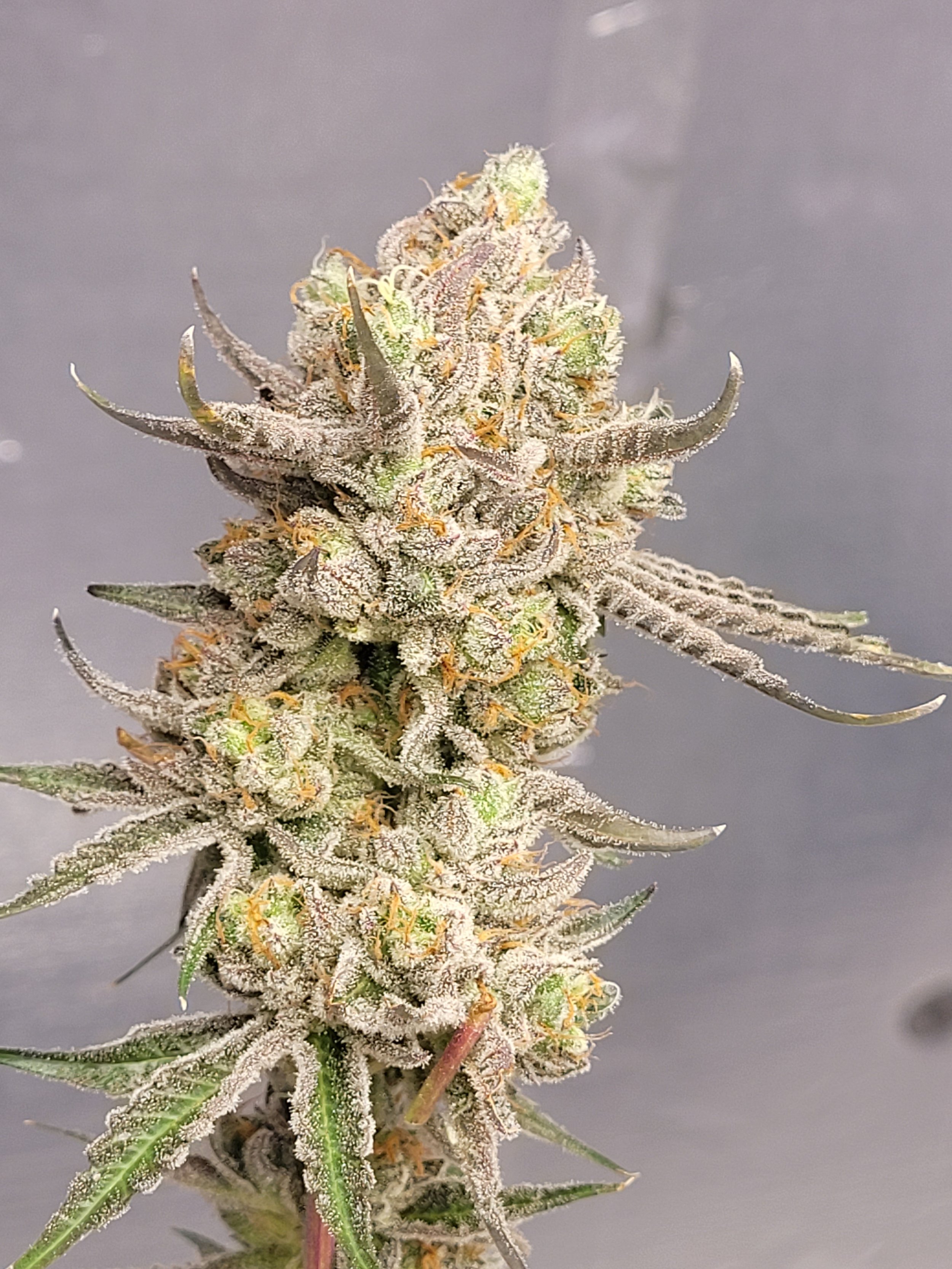
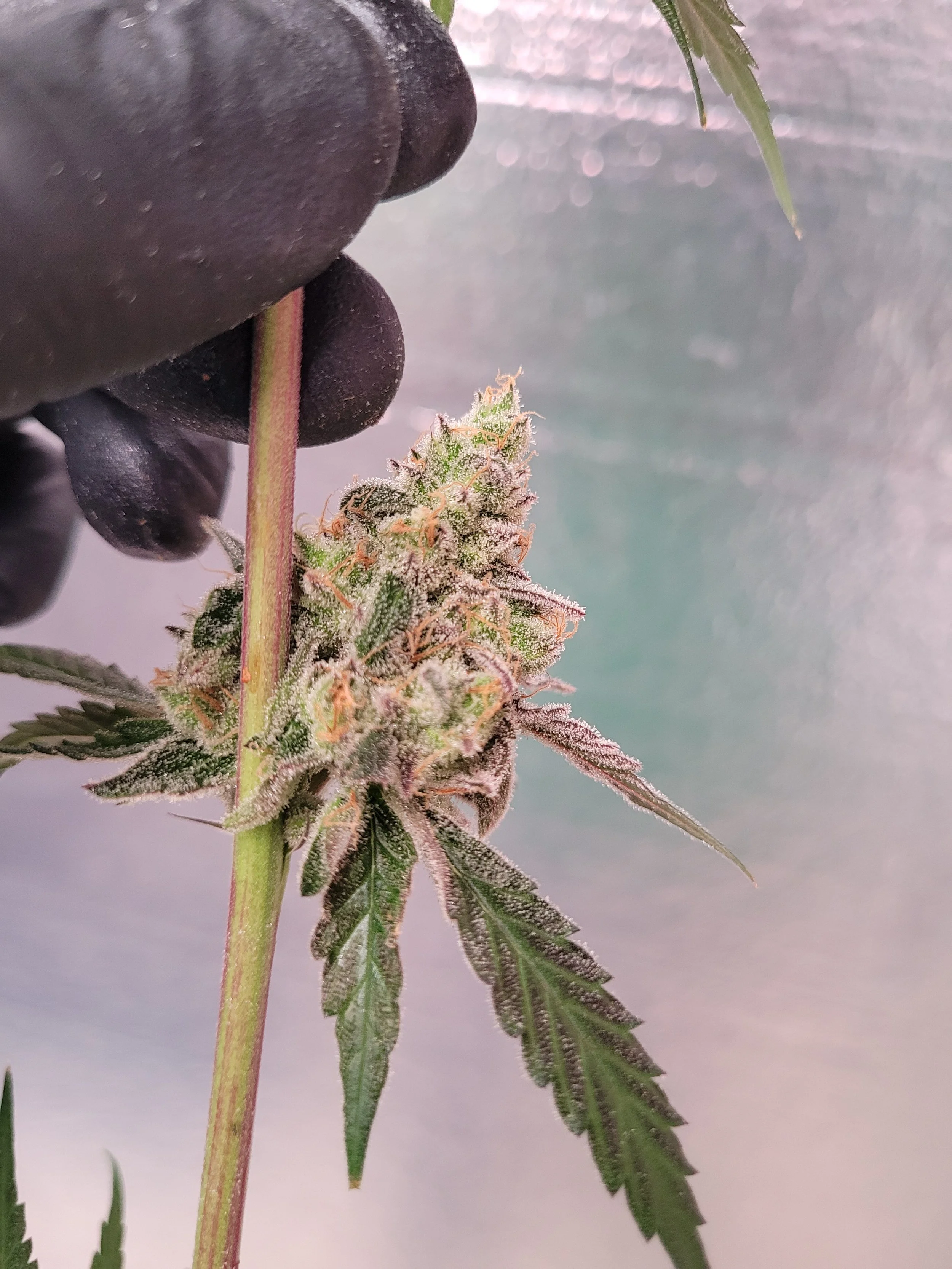
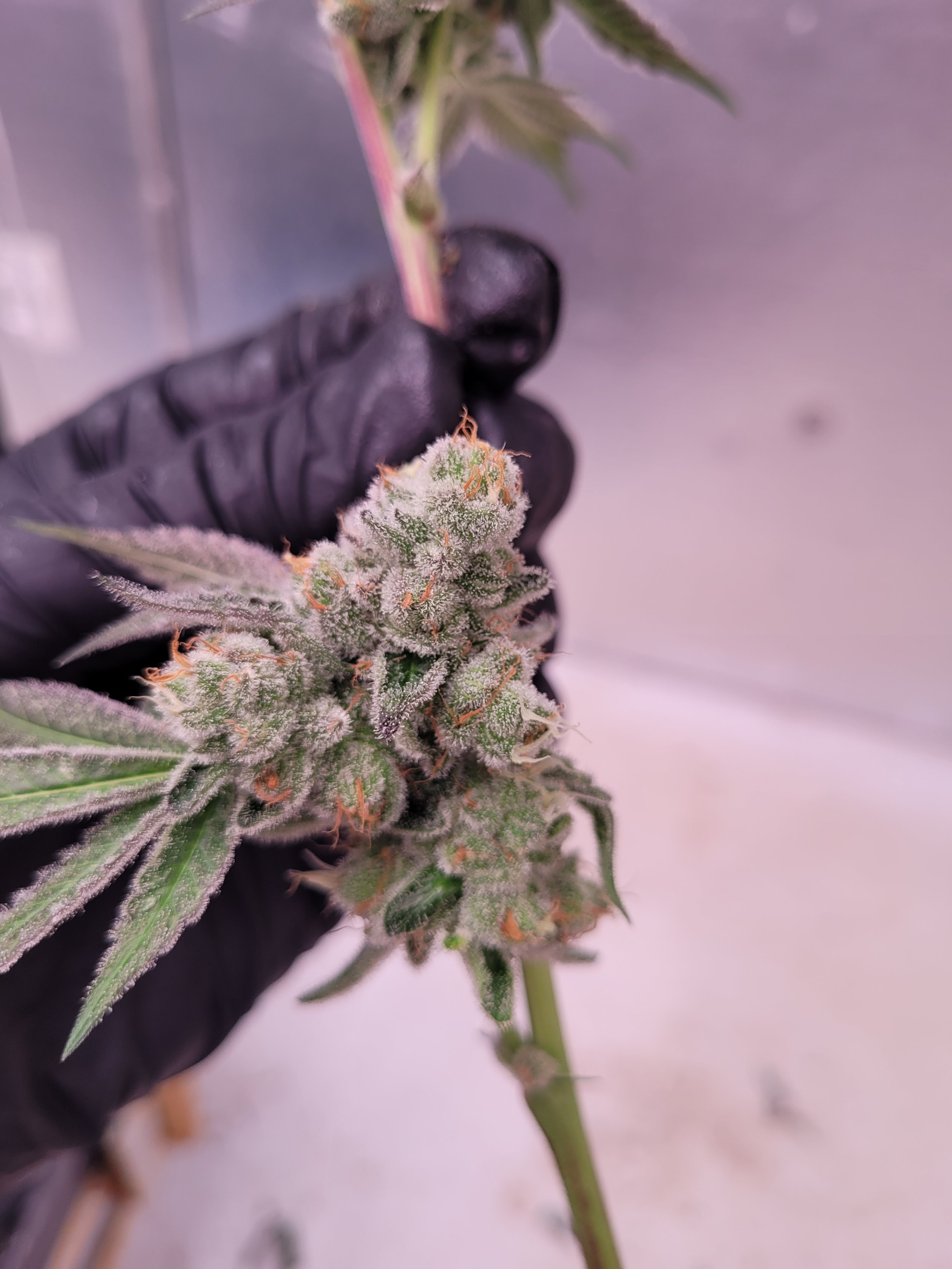
Showroom Cultivation
In New Mexico, a showroom cultivation operation that sells rooted clones and elite genetics isn’t just another licensed producer—it’s a specialized supplier in a supply chain that most cultivators don’t think about until they need it. That specialization makes it a niche market for reasons rooted in biology, economics, and the brutal geometry of grow space.
Why clones are a niche market
Most producers start from seed or self-cloned plants
The “default” in flower production is to either finish your own mother plants or start from seed. Growing mothers, taking cuttings, and raising them to a ready-to-flip state demands dedicated space, labor, and technical know-how. Smaller operators often don’t have the resources—or the appetite—to maintain a full cloning infrastructure.Clones are labor and timing products
A rooted clone is not a commodity like soil or pots. It’s a biological product with variability. Quality, vigor, rooting success, and genetic stability matter enormously. That’s why only a subset of licensed producers choose to grow them at scale for resale; you need technical skill to reliably produce thousands of uniform cuttings.Regulatory overhead
In New Mexico, every plant has to be tracked, weighed, and reported (BioTrack). Mother plants and clones eat up your licensed plant count and reporting burden just like production plants do. That overhead pushes most growers toward keeping cloning in-house unless they have excess capacity to support other growers.
All of this means only a few producers end up specializing in clones, creating a niche supply channel.
How buying clones lets other grows maximize table space
To grasp this, picture your grow tables as expensive real estate. Every square foot tied up with a big mother plant or weeks of nursery growth is square footage not producing sellable flower.
Here’s how buying clones shifts that balance:
Skip the nursery cycle
Raising plants from cuttings taken from your own mothers typically takes 3–6 weeks before those plants are ready to flip into veg. During that time, they’re occupying tables, lights, and labor resources but not contributing to yield. A pre-rooted clone arrives at day zero of veg readiness, shaving off that nursery time entirely.Cut down on mother room footprint
Growing your own mothers means dedicating light, space, and labor solely to genetics maintenance. If you can buy clones of the strains you want, you can downsize or eliminate your mother room, freeing up more tables for production.Reduce risk and inconsistency
Purchased clones from a reputable showroom cultivator often come with track records—uniformity in growth patterns, predictable vigor, well-rooted cuttings. That consistency lets you plan canopy load more precisely, reducing the waste and variability that comes with inexperienced cloners.Accelerate crop cycles
When your turnover rate increases—because you’re not holding plants in a nursery for weeks—you boost your crop throughput. More cycles per year, and more productive table space, equals more finished product moving out the door sooner.
Think of it like sourcing finished parts instead of making them yourself. If you make every part in-house, you need space, tools, and specialists. If someone else can reliably supply those parts, you can run your assembly lines faster and leaner. In this case, the parts are healthy, rooted clones tuned to your production rhythm.